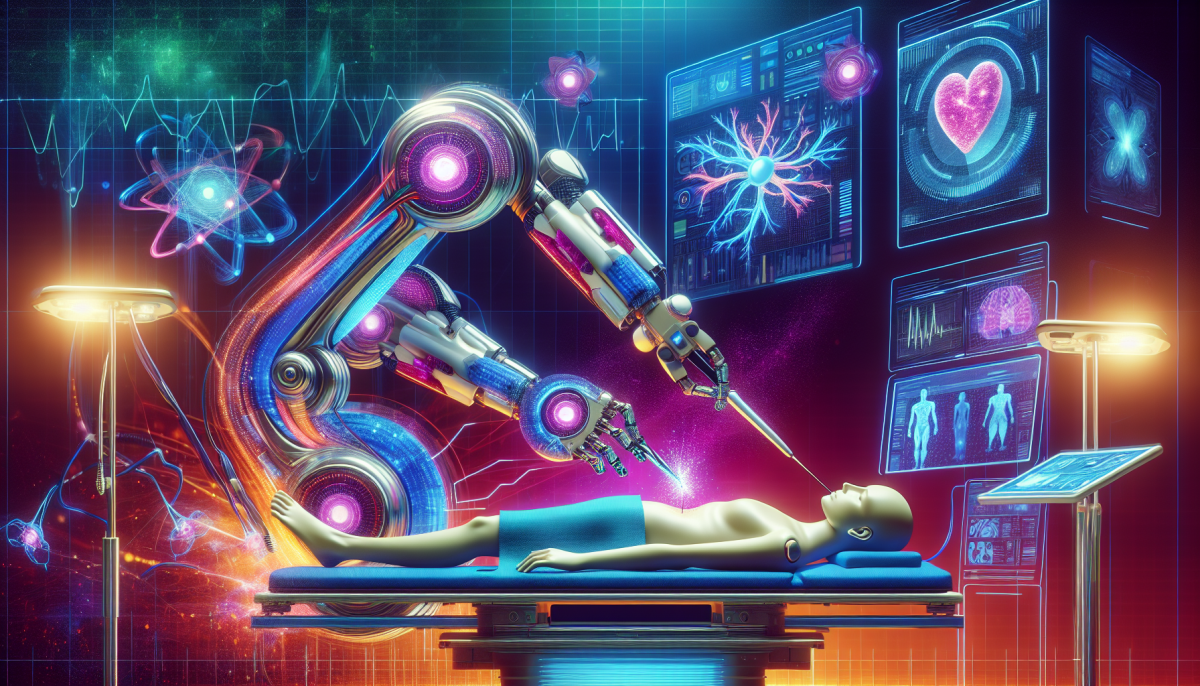
AI is changing how we think about healthcare. Imagine a world where doctors have super-smart tools to help them make better decisions. That world is here, and AI is at the center of it. With the power of data and algorithms, AI can analyze medical information much faster than a human can. This means quicker diagnoses and personalized treatment plans for patients.
One area where AI shines is in analyzing medical images. Think about X-rays and MRIs. These images can be tough to read, even for seasoned professionals. AI can scan and spot issues like tumors or fractures in a fraction of the time. This leads to earlier detection and treatment, which can save lives.
But AI isn’t just for imaging. It’s also helping doctors predict illnesses. By looking at patterns in patient data, AI can identify risks before they become serious. This proactive approach means doctors can take preventive steps, keeping patients healthier for longer.
Patient data suits AI perfectly. With the ability to manage mountains of information, it helps with everything from suggesting personalized medication to optimizing hospital workflows. This leads to a smoother experience for both medical staff and patients. Everyone wins when technology helps health professionals do their jobs better!
Benefits of AI for Patients
AI is changing the game for patients in so many incredible ways. Imagine having quicker access to medical information or getting personalized treatment plans tailored just for you. That's exactly what AI brings to the table.
First off, AI tools can help doctors diagnose conditions faster and more accurately. By analyzing a patient’s history, symptoms, and even genetic data, these systems can pinpoint what’s going on in a snap. This means less time waiting for answers and more time focusing on getting better.
Another big win is the way AI makes healthcare more accessible. With telehealth options growing, AI helps streamline virtual consultations. You can chat with a healthcare professional right from your couch, making it easier to get the help you need without a long drive or waiting in crowded waiting rooms.
Plus, AI doesn’t just stop at diagnosis. It can also monitor your health continuously. Smart devices and applications can track everything from your heart rate to medication adherence, sending real-time data to your doctor. This ongoing watch makes it easier to catch potential issues before they become serious problems.
Finally, let’s talk about support. AI chatbots are here to answer your questions at any hour, offering advice on minor health concerns without needing to see a doctor immediately. They help patients feel more in control of their health and provide the support when you need it most.
How AI Improves Healthcare Efficiency
AI is shaking things up in healthcare, making processes faster and more efficient. Imagine waiting less time for test results or having quicker access to medical history. AI tools are stepping in to analyze data swiftly, so doctors can focus on what really matters—caring for patients.
One big win for AI is streamlining administrative tasks. Lots of paperwork and scheduling can bog down healthcare professionals. AI can handle appointment bookings and reminders, freeing up time for staff to focus on patient care instead of paperwork. This translates to shorter wait times and a smoother experience for everyone.
Also, AI helps in diagnosing conditions earlier and more accurately. With the ability to analyze countless medical images, AI tools can spot issues that a human eye might miss. This early detection plays a huge role in better outcomes for patients, as it allows for timely treatment.
Lastly, AI can personalize treatment plans by analyzing individual patient data. This means patients get care tailored just for them, optimizing treatments and improving health outcomes. It’s about giving each patient the best chance for a healthy future.
Future Trends in Healthcare Technology
Healthcare technology is changing fast, and AI is leading the charge. Imagine AI helping doctors spot diseases earlier. Tools that analyze images can show signs of issues that might be missed with the naked eye. This means quicker diagnoses and better outcomes for patients.
Wearable devices are another exciting trend. People can monitor their heart rates, sleep patterns, and even stress levels right from their wrists. This data can be fed into AI systems that provide personalized health advice. It’s like having a health coach with you 24/7, nudging you to make healthier choices.
Telemedicine is also on the rise. AI chatbots can handle basic questions and concerns, freeing up time for healthcare professionals to focus on patients who need deeper attention. Plus, with the pandemic showing the value of remote care, more people are jumping on the telehealth bandwagon.
Data management is crucial, too. With AI crunching all that information, healthcare providers can make informed decisions. It’s not just about treating patients; it’s about understanding trends and improving care over time. The result? A more efficient and effective healthcare system that benefits everyone.